

LTL Logistics: Structuring Partial Load Flows Across Europe
LTL logistics is easy to arrange for one-off groupage shipments. Reliable, recurring LTL logistics that consistently supports your operation is a different challenge entirely.
For logistics managers in industrial, energy and project-driven environments, LTL is rarely a single shipment decision. It is a structural question: how do you design a partial load setup that keeps spare parts moving, project sites supplied and operations running, without building in the delays and uncertainty that often come with standard groupage networks?
This page addresses that question. It covers how to think about LTL logistics at the supply chain level: frequency and volume planning, integration with warehousing and customs, how LTL fits alongside FTL for different types of flows, and what makes a groupage setup genuinely reliable in demanding operational environments.
Need to arrange a single LTL shipment? See how Lukotrans handles LTL transport in practice on our LTL Transport page.
- Ideal for time-sensitive, fragile or high-value goods
- Handled by certified drivers using our own modern fleet
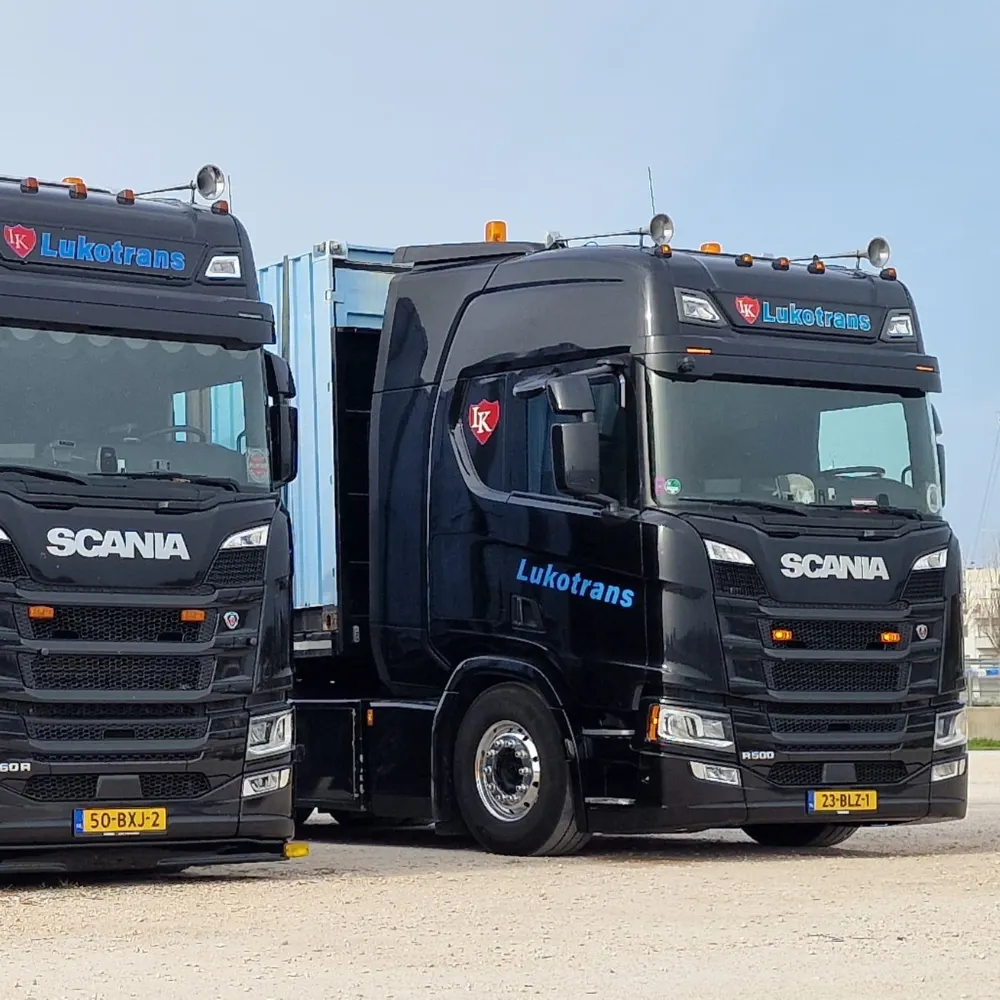
LTL logistics as a structural supply chain decision
- What flows actually belong on LTL? Not every partial load is best served by groupage. Flows with regular volume, predictable timing and no acute time pressure are natural LTL candidates. Flows that are urgent, involve regulated cargo or connect directly to a fixed operational window often need dedicated transport even at partial volumes. A clear LTL vs. FTL allocation, based on actual flow characteristics rather than just shipment size, reduces cost without increasing risk.
- How often and how much? Frequency and volume directly affect the quality of LTL logistics. Low-frequency, irregular shipments on long routes are harder to integrate into reliable consolidation structures. Higher-frequency flows on regular lanes allow for more predictable scheduling, agreed lead times and consistent planning alignment. Where flows are irregular but operationally critical, the answer may be to combine LTL with buffer stock or warehousing rather than accepting unpredictable transit times.
- Where are the handover risks? In standard groupage networks, cargo passes through multiple hubs and potentially multiple carriers. Each handover is a point where timing can slip, documentation can drift and accountability becomes unclear. In industrial and project environments, this is not just a logistics inconvenience, it can have direct operational consequences. Structuring LTL logistics means consciously managing these handover points, not just accepting them as a feature of the model.
Combining LTL and FTL across different supply chain flows
Few logistics operations are purely LTL or purely FTL. The more useful question is: which flows belong on which model?
A practical way to map this is by flow type:
Regular replenishment flows: consumables, spare parts, and maintenance materials are typically well-suited to LTL where volumes are modest and timing allows for a day or two of lead time variability. These flows benefit from agreed schedules, fixed routes and consolidated planning.
Project supply flows: phased deliveries tied to installation milestones or site readiness windows, often need dedicated transport even at partial volumes, because the delivery window is fixed and a missed slot has a knock-on effect on the entire project timeline. Here, FTL is the more reliable choice despite the higher per-shipment cost.
Urgent or operational-critical moves: a single component that stops a vessel sailing, a missing part that shuts down a maintenance window, require dedicated capacity regardless of size. Lukotrans also offers hot shot transport for these situations, where standard scheduling cannot accommodate the urgency.
Cross-border flows with customs complexity: where documentation needs to align precisely with transport timing, often benefit from having one partner manage both the logistics and the customs process, regardless of whether the shipment is FTL or LTL.
Lukotrans offers both LTL groupage and FTL transport, which means flows can be allocated between models within a single logistics setup, with one point of contact managing both.
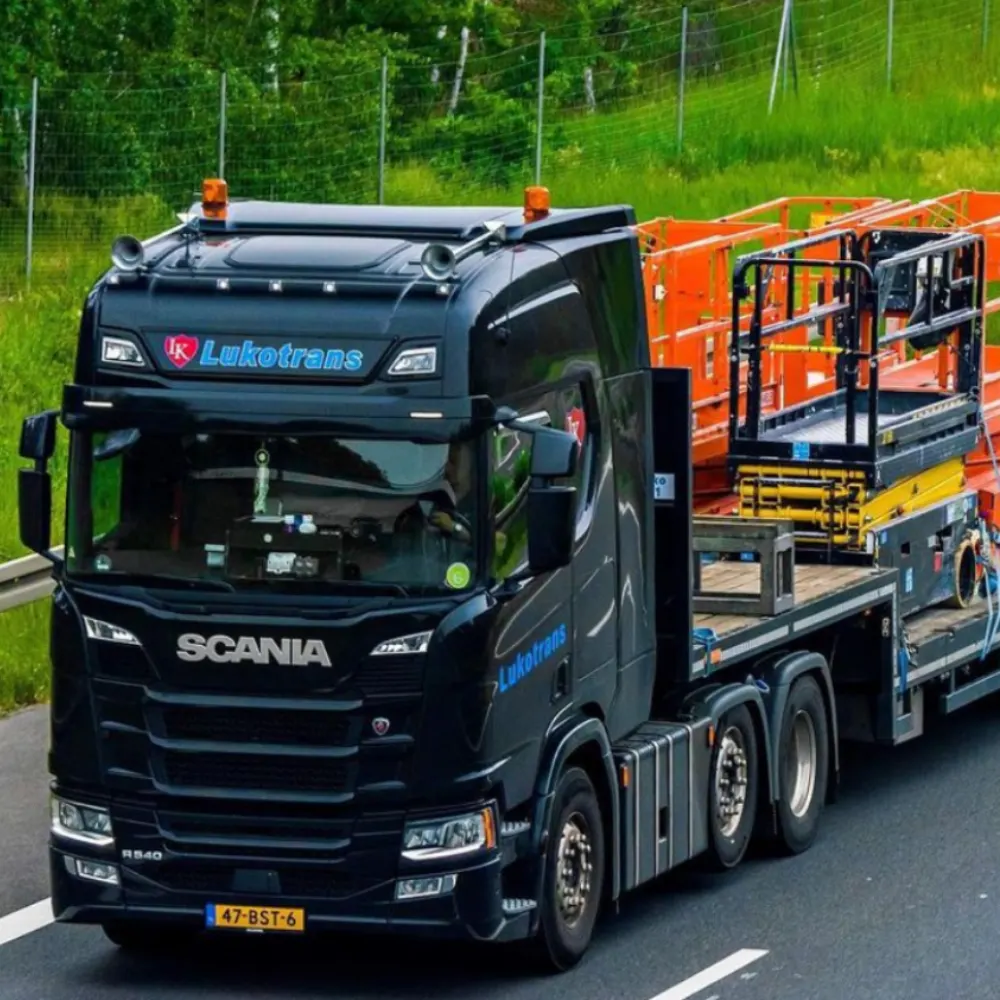
Integrating LTL logistics with warehousing and customs
Standalone groupage transport solves one problem: moving a partial load from A to B. Structurally integrated LTL logistics solves a larger one: making sure the right goods arrive at the right moment, regardless of how they arrive.
Warehousing as a buffer. In environments where suppliers deliver in larger quantities or on their own schedules, warehousing allows goods to be received, consolidated and dispatched in the frequency and batch size that fits the operation, rather than being dictated by supplier delivery patterns. Lukotrans offers warehousing including 16,000 m² of outdoor storage, and this can be integrated with outbound LTL flows so that dispatch is aligned with operational needs rather than inbound delivery timing.
Customs alignment. Cross-border LTL shipments require documentation that is correct and complete before departure. For groupage movements involving multiple consignees or origins, customs documentation can become complex quickly. Lukotrans handles customs services including documentation preparation, import and export declarations, and coordination with customs authorities. Handling customs within the same logistics setup as the transport prevents the misalignment between documentation and physical cargo that causes delays at borders.
Phased project supply. For projects with multiple delivery phases, LTL logistics can be structured around the project schedule rather than around available truck capacity. Goods are staged, grouped and dispatched to match site readiness, avoiding both premature delivery that creates on-site storage pressure and late delivery that disrupts the project sequence. Where project phases also involve larger FTL movements, these can be coordinated as part of the same overall logistics plan.
What makes LTL logistics reliable in industrial environments
Standard groupage networks are designed for volume and efficiency. Industrial and project-driven LTL logistics requires something different: control, direct communication and the ability to respond when circumstances change.
The features that determine reliability in practice are:
Responsibility in one place. When a shipment passes through multiple carriers and hubs, accountability fragments. In an industrial environment, this is a real operational risk, not just an inconvenience. A setup where one logistics partner manages the full flow, from pickup through consolidation to delivery, keeps responsibility clear and communication direct.
Realistic planning. LTL logistics in demanding environments is not about quoting the fastest possible transit time. It is about committing to lead times that can actually be met, every time. This requires planners who understand site access conditions, delivery window constraints and the operational consequences of a late arrival.
Integration with regulated cargo requirements. Industrial and energy LTL flows regularly include goods that fall under ADR regulations — chemicals, gases, flammable liquids, hazardous substances. Lukotrans holds the necessary certifications and ADR-qualified drivers to include regulated cargo within LTL flows, with documentation and route planning handled as part of the same transport process. For a detailed overview of ADR requirements and classes, see our transportation of dangerous goods page.
Adaptability without loss of control. Operational environments change, project timelines shift, site access windows change, volumes fluctuate. LTL logistics that cannot adapt becomes a source of friction rather than support. Because Lukotrans operates with its own fleet and planners, adjustments can be made without having to renegotiate with a chain of subcontractors.
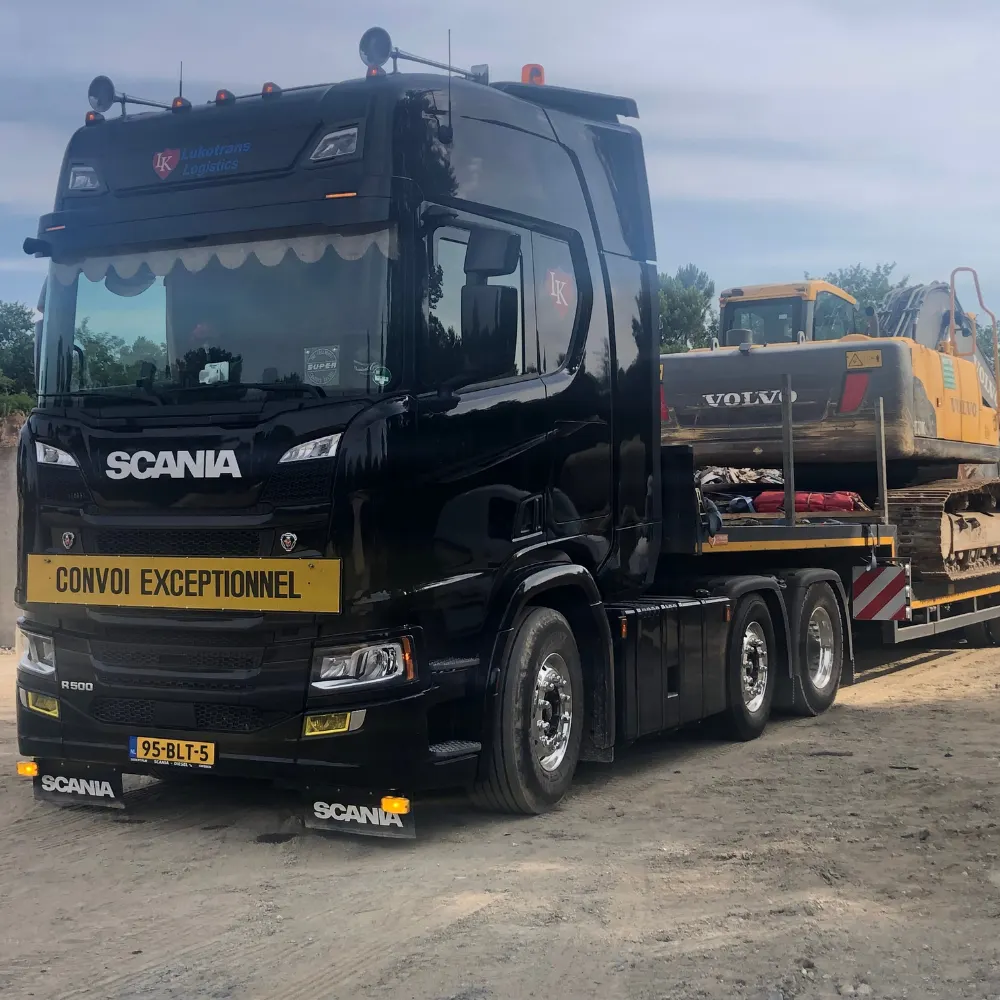
ISO-certified procedures across every LTL logistics operation
LTL logistics in industrial environments is subject to the same compliance requirements as any other form of road transport. Lukotrans operates under ISO 9001 (quality management), ISO 14001 (environmental management) and ISO 45001 (occupational health and safety) across all transport operations.
These certifications translate into repeatable, documented procedures for planning, execution and documentation. Routes are assessed before departure, documentation is verified against requirements, and drivers are qualified for the environments and cargo types they work with. For cross-border movements, this consistency reduces the risk of delays at checkpoints and simplifies site acceptance at industrial and port locations.
LTL logistics: frequently asked questions
How is LTL logistics different from simply booking groupage transport?
Groupage is a method, your cargo shares a truck with other shippers’ goods. LTL logistics is a structure, it describes how partial load flows are planned, coordinated and integrated into your supply chain over time. The difference matters when reliability, frequency and integration with other logistics processes are more important than finding the cheapest available space on a truck.
Can LTL logistics be combined with warehousing for inbound flows?
How does LTL work for cross-border shipments with customs requirements?
Can LTL and FTL be combined within the same logistics setup?
Yes. Lukotrans offers both LTL groupage transport and full truckload transport. Different flows within the same operation can be allocated to LTL or FTL based on volume, timing criticality and cargo requirements, with one partner managing both.
Need a single LTL shipment? See how our LTL transport works.
Can LTL logistics include dangerous goods?
Where do I go for information on a single LTL shipment?
Our LTL Transport page covers the day-to-day process: how a single shipment is planned, executed and confirmed.
