

LTL Transport: How Less Than Truckload Shipping Works in Europe
LTL transport, short for less than truckload transport, is road freight where your cargo shares a trailer with shipments from other companies.
You pay for the space your goods occupy rather than for a full truck. It sits between parcel services, which handle small packages, and full truckload transport, which dedicates an entire trailer to one shipper.
Across Europe, LTL transport is also called groupage. The two terms describe the same thing: consolidated partial loads moving on shared capacity.
This page explains what LTL transport is, when it is the right choice compared to FTL, what determines the price, and how Lukotrans runs partial loads for industrial and project-driven operations across Europe.
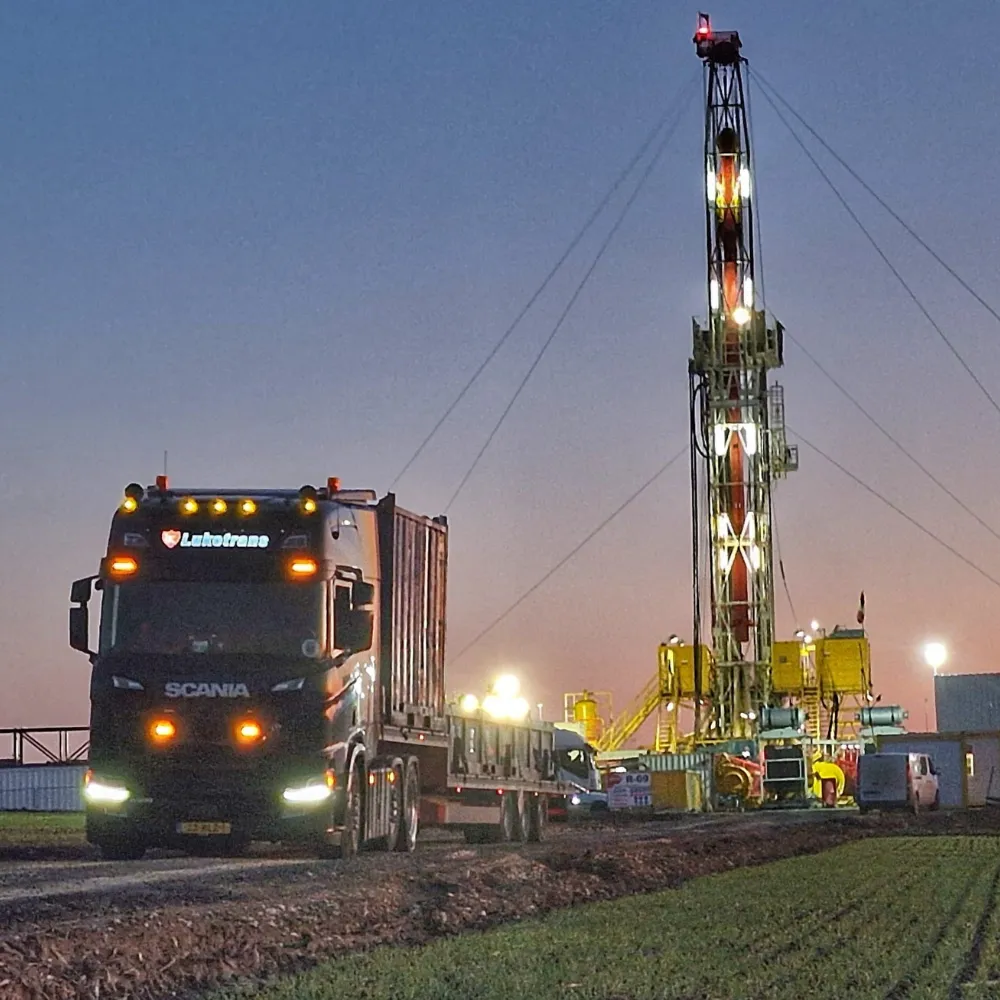
How LTL transport works
Most European LTL networks run on a hub-and-spoke model for LTL transport. A local truck collects your pallets and brings them to a terminal. There the freight is sorted, consolidated with other shipments heading the same direction, and moved to a second terminal near the destination. A local truck then handles final delivery. Your cargo is typically handled four to six times between pickup and delivery.
That model is efficient for standard distribution. It also introduces the
two things that cause most LTL problems: handling damage and unpredictable lead times, because your shipment waits for the terminal schedule rather than for your schedule.
Lukotrans runs LTL differently. We consolidate on compatible routes using our own fleet and keep the shipment under one point of responsibility from pickup to delivery, without unnecessary transfers through third-party hubs. Fewer handling points means less damage risk and lead times we can actually commit to.
LTL transport compared to FTL and parcel
| Parcel | LTL transport | FTL transport | |
|---|---|---|---|
| Shipment size | individual packages | too large for parcel, does not fill a trailer | fills or nearly fills a trailer |
| Trailer space | shared network | shared with other shippers | reserved for your cargo alone |
| You pay for | each package | the space your cargo occupies | the full vehicle |
| Consolidation | sorted through a parcel network | combined with other shipments | none, your cargo travels alone |
| Transfers en route | multiple | one or more, depending on routing | none between pickup and delivery |
| Lead time | fixed network schedule | depends on route and consolidation | direct, usually the fastest |
| Typical use | documents and small parts | shipments below a full load | large, time-critical or sensitive cargo |
When to choose LTL transport
LTL transport fits when:
- Your shipment does not fill a trailer and the volume is unlikely to grow in the short term
- The delivery window is measured in days rather than hours
- Your cargo tolerates consolidation with other freight
- You ship the same lanes repeatedly and want predictable cost per shipment
Choose full truckload instead when:
- The cargo is oversized, high value or handling sensitive
- The delivery must hit a narrow time window on a restricted site
- The freight cannot be consolidated for safety or regulatory reasons
- The combined cost of several LTL shipments exceeds one dedicated truck
In practice most industrial operations use both. Recurring spare parts and consumables move as LTL. Project shipments, commissioning equipment and time-critical replacements move as FTL. Lukotrans handles both, so the allocation can be made per shipment rather than per contract.
What determines the cost
LTL is rarely priced on distance alone. Five factors shape what a partial load costs:
- Space occupied: European LTL is usually priced on the floor space your cargo takes up in the trailer rather than on weight alone. Cargo that is light but bulky occupies space that cannot be sold to anyone else.
- Weight: Dense cargo is limited by the vehicle’s payload rather than by its floor area. Where weight becomes the limiting factor, it takes over from space as the basis for pricing.
- Route and direction: Lanes where a vehicle has return freight are more efficient than lanes where it runs back empty. A shipment that fits an existing route is easier to price than one that requires a detour.
- Handling requirements: What happens at pickup and delivery affects the cost: site access restrictions, booking-in procedures, equipment needed to load or unload, and time spent waiting.
- Cargo classification: ADR-regulated goods require certified drivers, compliant equipment and segregation rules, and some combinations cannot share a trailer at all. This affects both cost and available capacity.
Knowing which of these apply to your shipment makes quotes easier to compare. Share your route, cargo type and timing and we will explain how these factors apply to your flow.
Booking LTL transport with Lukotrans
LTL transport with Lukotrans follows a clear and practical process designed to keep logistics simple and predictable. Groupage transport planning focuses on clarity, realistic timings and direct communication.
The LTL transport process typically includes:
- You share shipment details, pickup location, delivery location and required timing.
- Our planners schedule the shipment into suitable European routes and confirm the plan.
- The cargo is picked up, secured and documented according to your requirements.
- We deliver within the agreed window and provide proof of delivery, so your internal planning and customer communication stay aligned.
Throughout the journey, our team remains available to manage updates or changes. This approach ensures that transport remains a controlled extension of your own logistics operation instead of an unpredictable black box.
LTL transport for energy, maritime and project driven environments
LTL transport plays a critical role in sectors where even small shipments can have a major impact. Lukotrans specialises in transport for energy, maritime, dredging and project driven operations across Europe.
In energy logistics, LTL transport supports drilling sites, geothermal installations and renewable projects where spare parts, tools and consumables must arrive on time. A delayed transport shipment can stop maintenance work or delay commissioning activities. Lukotrans understands this pressure and aligns transport planning with your operational schedule.
In maritime and dredging environments, groupage transport often involves ports, terminals and yards with strict access rules. Lukotrans coordinates transport deliveries with site requirements, safety procedures and time windows, ensuring smooth site acceptance and uninterrupted operations.
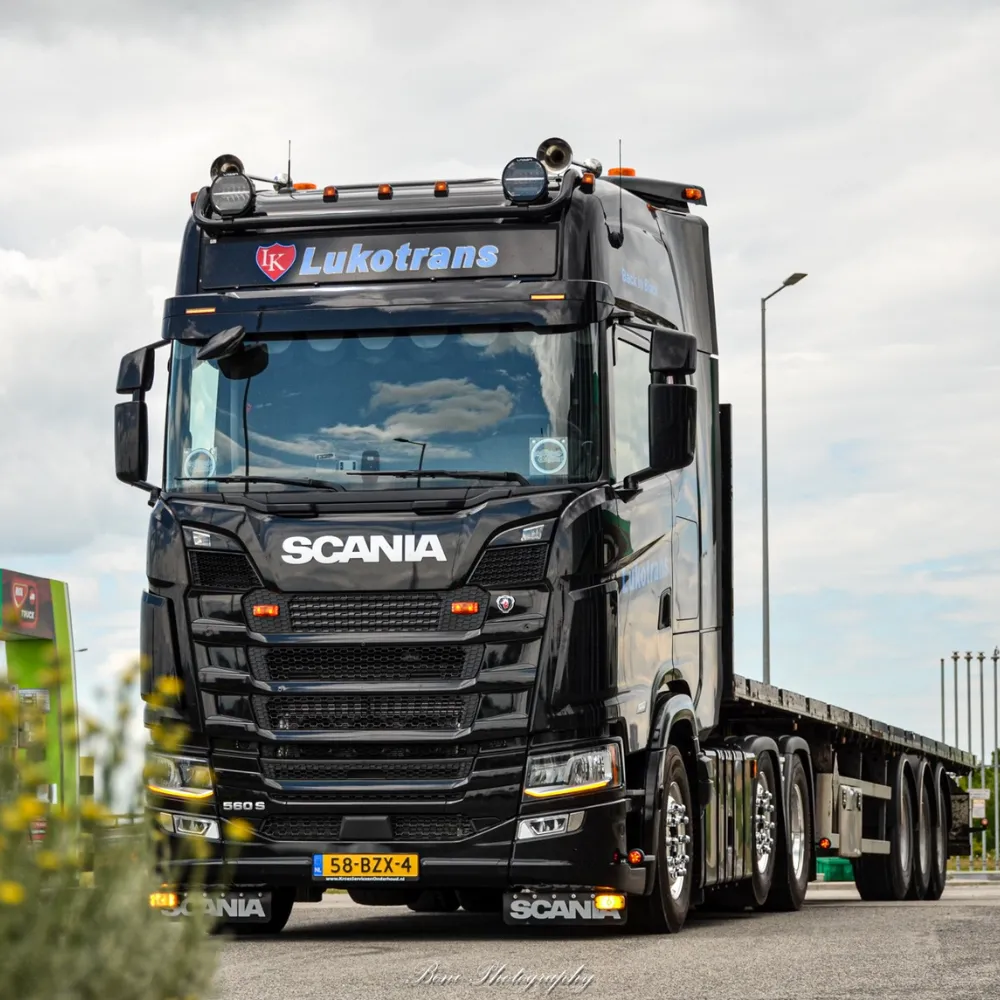
LTL transport including specialised and regulated cargo
LTL transport often involves more than standard pallets. Lukotrans supports transport for specialised, high value and regulated cargo that requires additional attention.
Within our transport solutions, we integrate requirements for hazardous goods and transportation of dangerous goods, sensitive equipment and site specific handling instructions. Cargo classification, documentation and securing are verified before execution, ensuring compliance and reducing risk during transport.
By combining groupage transport with our experience in dangerous goods transport, project logistics and customs support, Lukotrans ensures that even complex partial loads are handled correctly and delivered without unnecessary delays.
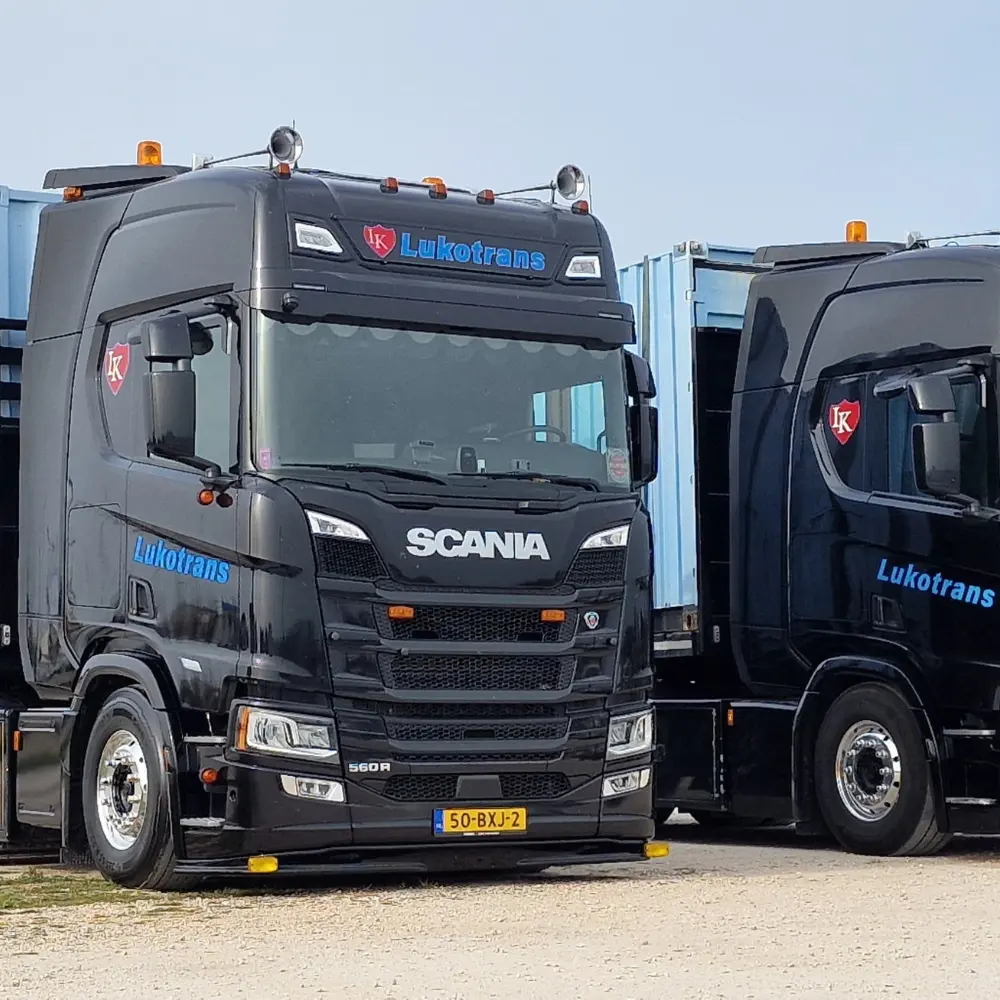
LTL transport with safety, compliance and documentation included
LTL transport in industrial environments requires strict attention to safety and compliance. Lukotrans applies certified QHSE standards within every transport operation, covering Quality, Health, Safety and Environment.
These standards ensure that planning, execution and documentation follow controlled procedures. Routes are assessed for restrictions, documentation is checked before departure and drivers are trained to operate safely in industrial and project based environments. By embedding safety and compliance into transport from the start, Lukotrans prevents issues at borders, sites and checkpoints.
Cross-border movements are part of everyday European logistics. Alongside LTL transport, our specialists can support export and import declarations, transit documents and coordination with customs partners. Keeping the documentation aligned with the physical shipment reduces the risk of delays at borders.
Where we run transport
Lukotrans operates road transport across Europe from our base in Klazienaveen, the Netherlands. Our LTL coverage focuses on the Netherlands, Germany, Belgium, France, the United Kingdom, Ireland, the Nordics and Southern Europe.
If your route falls outside these corridors, we look at the best combination of LTL and our other transport services to move your cargo. Share your origin and destination and we will confirm what is possible.
See our destination pages for transport to Germany, Belgium, France and the United Kingdom.
LTL transport: FAQ
What is the difference between LTL transport and groupage?
None. Groupage is the common European term for less than truckload transport. Both describe consolidated partial loads sharing trailer space.
What is the difference between LTL and FTL?
With LTL your cargo shares a trailer with other shipments and you pay for the space used. With FTL the trailer is dedicated to your shipment alone. FTL is faster and involves less handling, LTL is more economical for partial loads.
How is LTL transport priced?
Mainly on loading metres and weight, adjusted for route, handling requirements and cargo classification. See the cost section above.
Can you transport ADR-regulated goods as LTL?
Yes, subject to ADR requirements. Lukotrans holds the relevant certifications and operates ADR-qualified drivers. Segregation rules and route restrictions determine which goods can be consolidated.
How long does LTL transport take compared to FTL?
LTL takes longer because consolidation and multiple delivery points are involved. Because we avoid third-party hubs, our lead times are shorter and more predictable than standard hub-and-spoke networks.
Can LTL transport handle urgent shipments?
Often yes. Where the deadline is very tight we combine LTL capacity with our hotshot transport service.
Do you offer storage alongside LTL transport?
Yes. Goods can be stored between project phases, consolidated from several suppliers or prepared for phased delivery, keeping one party responsible.
How do we start?
Share your routes, shipment frequency, cargo type and any site requirements. We analyse how LTL fits your flows and propose a setup.
