

Transportation of Dangerous Goods Across Europe
- Direct transport from A to B, without detours
- Ideal for time-sensitive, fragile or high-value goods
- Handled by certified drivers using our own modern fleet
The transportation of dangerous goods requires control at every stage of the journey. From selecting the right vehicle and qualified driver to checking documentation, planning a compliant route and coordinating delivery, every part of the transport must be prepared before the vehicle leaves.
Lukotrans manages the transportation of dangerous goods by road across Europe. Our operations team coordinates the complete transport process, supported by ADR-certified drivers, dedicated vehicles and controlled procedures. From the first shipment review to final delivery, we keep responsibility and communication in one place.
Need more information about ADR classes or what you need to prepare before requesting transport? Read our full truckload shipping guide for an overview of classifications and shipper requirements that apply to ftl shipping.
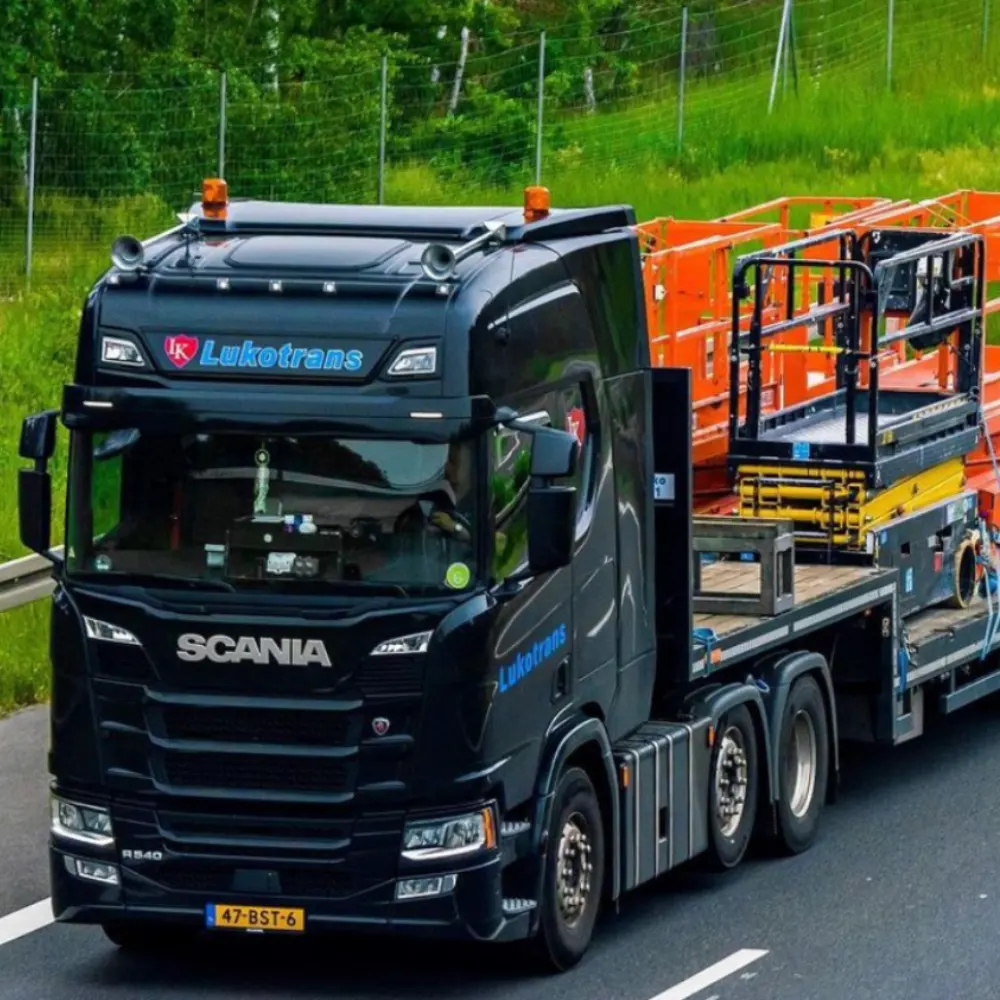
Dedicated vehicles and qualified drivers for dangerous goods transport
The right combination of vehicle, equipment and driver depends on the cargo being transported. Before accepting a shipment, Lukotrans reviews the product information, ADR classification, quantity, packaging, route and delivery requirements to determine the appropriate transport setup.
Our fleet includes vehicles with load-securing equipment and the safety equipment required for regulated transport. Depending on the shipment, specialised equipment can be used for hazardous liquids, chemicals and other regulated materials.
Drivers are assigned based on the qualifications required for the cargo. Our ADR-certified drivers have experience with regulated shipments and with the procedures that apply at industrial sites, ports, terminals and other controlled delivery locations.
Certain types of cargo may also require additional permits, approvals or specific vehicle configurations. These requirements are identified during the planning stage so that the transportation of dangerous goods does not begin until the necessary conditions have been checked.
How the transportation of dangerous goods works at Lukotrans
Every shipment follows a structured process. By checking the requirements before departure and maintaining direct control during transport, we reduce the risk of avoidable delays, rejected deliveries and unexpected compliance issues.
Step 1 – Shipment and compliance review
You provide the shipment details, including the UN number, ADR classification, quantity, packaging, collection address, destination and required timing.
Our operations team reviews the information and assesses whether the shipment can be transported under the applicable requirements. We also identify any additional permits, route restrictions or site-specific conditions that need to be addressed before capacity is confirmed.
If information is incomplete, we clarify this during the preparation stage rather than after the vehicle has been dispatched.
Step 2 – Vehicle and driver assignment
Based on the cargo and transport requirements, we assign a suitable vehicle and an appropriately qualified driver.
The selected setup takes into account the ADR classification, cargo characteristics, load type and any additional equipment required during transport. For regulated shipments that require dedicated control, the cargo is handled as a dedicated transport rather than being combined with unrelated general freight.
Step 3 – Route and documentation preparation
Route planning is an important part of the transportation of dangerous goods. The fastest route is not always the route that can legally or safely be used for regulated cargo.
Our team considers relevant tunnel restrictions, local regulations, border crossings, ferry requirements and access conditions at the destination. For deliveries to ports, terminals and industrial sites, we also check available information about arrival procedures and time windows.
At the same time, the available transport documentation is reviewed. This includes the ADR transport information and, where applicable, permits and other documents required for the shipment or route.
Step 4 – Loading and departure checks
Before departure, the shipment and vehicle are checked against the planned transport setup.
Depending on the cargo, this may include checking visible packaging condition, labels and markings, load securing, segregation requirements and the required vehicle placarding. The driver must also have the relevant transport information and required safety equipment available.
These checks help identify discrepancies before the vehicle enters the public road network.
Step 5 – Transport and monitoring
Once the vehicle is underway, our operations team remains directly involved.
Shipment progress can be monitored and relevant status updates are communicated during transit. If circumstances change, such as a delay, route restriction or adjustment to the delivery window, our team can coordinate the next steps with the driver and customer.
This direct communication is particularly important when transporting regulated cargo to locations where access and unloading depend on precise planning.
Step 6 – Controlled delivery
The transport process does not end when the vehicle reaches the destination.
Industrial sites, ports, terminals and other controlled locations may have specific procedures for entry and unloading. These can include registration, safety inductions, PPE requirements, designated waiting areas or instructions from the receiving site.
Our team takes known delivery requirements into account during planning and coordinates the arrival so that the shipment can be handed over according to the agreed procedure.
Compliance embedded in every step of execution
For Lukotrans, compliance is not a final check performed just before departure. It is part of the complete transportation process.
During planning, we assess whether the selected route is suitable for the shipment. During preparation, we check the available documentation and identify additional requirements. Before departure, the vehicle, driver and shipment setup must correspond with the planned transport.
Our internal procedures provide a structured framework for this process. Lukotrans operates with ISO 9001, ISO 14001 and ISO 45001 certified management systems, supporting consistent processes for quality, environmental management and occupational health and safety.
The objective is to identify potential issues as early as possible. This helps reduce disruptions at checkpoints, borders and delivery locations and provides customers with a clear point of contact throughout the journey.
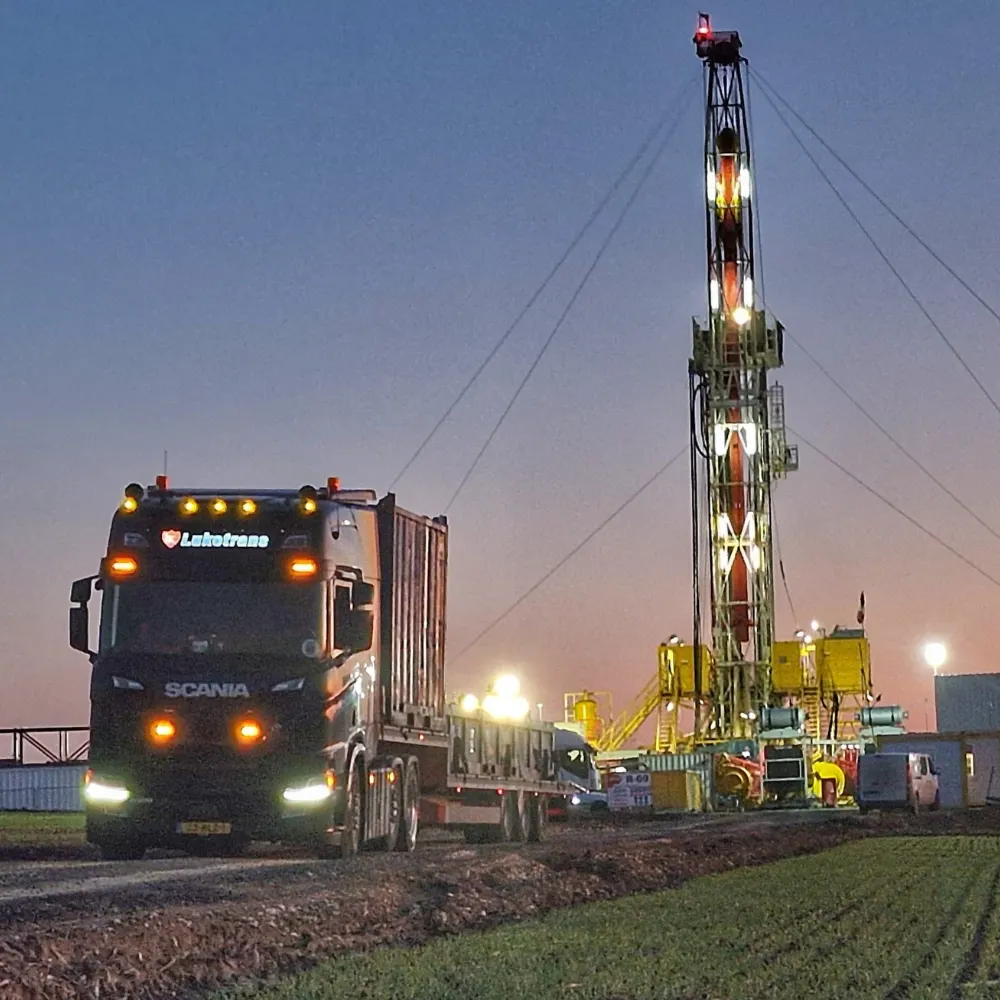
Transportation of dangerous goods for energy, maritime and industrial operations
The transportation of dangerous goods often takes place within operations where timing and site coordination are just as important as the road journey itself.
Lukotrans has experience supporting regulated transport for energy, maritime, dredging and industrial activities. These environments can involve remote locations, ports, terminals, production facilities and controlled sites with their own access and safety requirements.
Energy and drilling operations
Energy projects can depend on the timely movement of chemicals, gases, specialised fluids and other regulated materials.
Deliveries may be connected to drilling activities, well interventions, geothermal projects or ongoing production. A delayed shipment can affect the wider operational schedule, which makes coordination between transport planning, the customer and the receiving site essential.
Our team aligns the transport with the available delivery window and known site requirements, while maintaining direct communication during execution.
Maritime and dredging operations
Dangerous goods used in maritime and dredging projects may need to be delivered to ports, terminals, yards or locations connected to offshore operations.
These destinations can have controlled access, fixed time windows and mandatory safety procedures. Vehicle arrival therefore needs to be coordinated with the receiving operation rather than treated as a standard delivery.
Lukotrans incorporates these requirements into the transport plan and coordinates relevant changes during the journey.
Chemicals and industrial sites
Chemical and industrial shipments can involve specific requirements for vehicle configuration, documentation, loading and site access.
Where required, Lukotrans can combine dangerous goods transport with related logistics services, including warehousing for suitable chemical products and coordination with other transport flows.
This allows customers with recurring industrial logistics requirements to work with one operational contact for multiple parts of their supply chain.
Emergency response during the transportation of dangerous goods
Even with careful preparation, unexpected situations can occur during transport. For regulated cargo, it is important that the driver and operations team can respond according to the information and procedures applicable to the shipment.
Drivers carry the required transport information and safety equipment relevant to their assignment. If an incident, unexpected restriction or other disruption occurs, the first priority is to follow the applicable safety and emergency instructions.
Our operations team remains available to coordinate communication and the operational response. Depending on the situation, this may involve the customer, receiving location or relevant authorities.
When a transport cannot continue as originally planned, the situation is assessed before further movement takes place. The next step depends on the cargo, location and applicable safety requirements.
Direct communication and shipment visibility
Customers arranging the transportation of dangerous goods need to know more than whether a truck has departed.
Our operations team remains directly accessible during the journey and can provide information about shipment progress and expected arrival. This gives your logistics or safety team a clear point of contact if delivery conditions change.
If a route adjustment, checkpoint delay or change to the delivery window affects the shipment, we communicate the relevant information and coordinate the next steps.
For deliveries to controlled locations, this visibility also helps the receiving site prepare for arrival and reduces the risk of a vehicle reaching the destination before the site is ready to accept it.
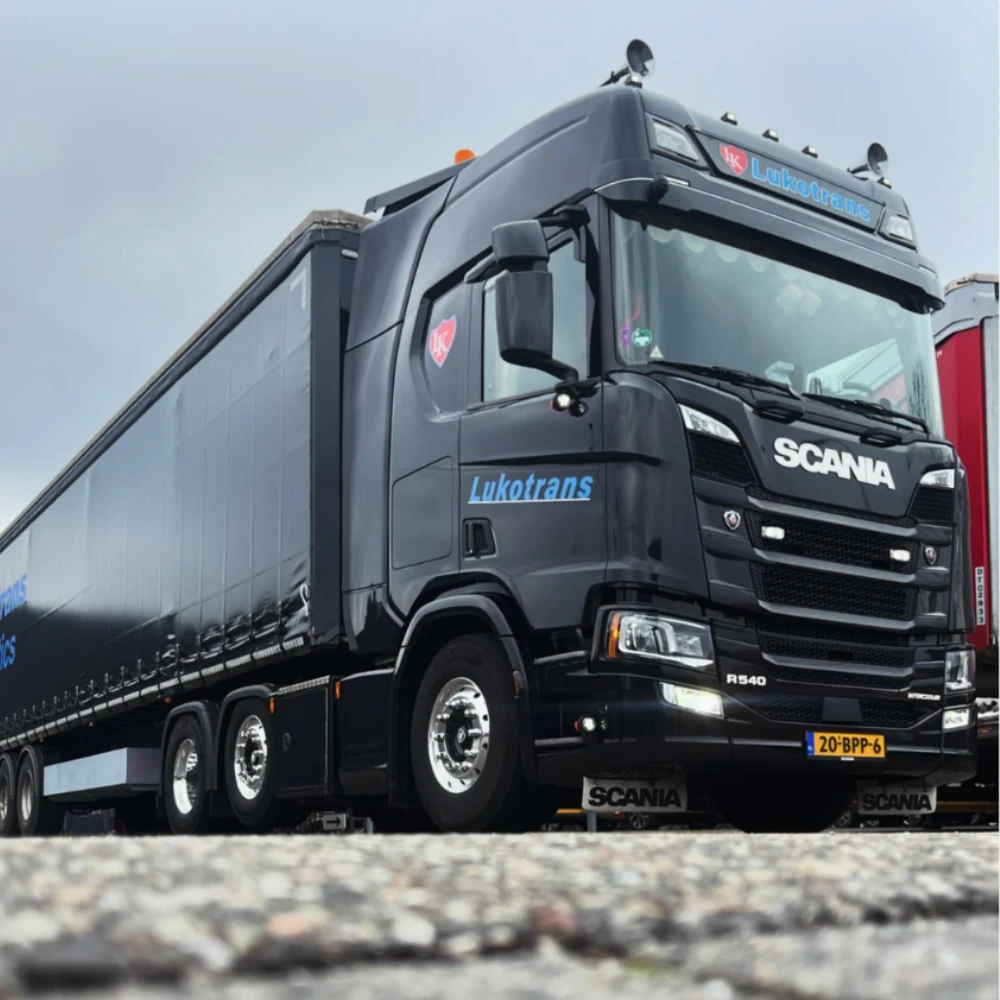
Building a long-term setup for transportation of dangerous goods
For many customers, the transportation of dangerous goods is a recurring part of their operation rather than a one-off shipment.
In these situations, Lukotrans works to understand the customer’s material flows, regular routes, delivery locations and internal procedures. This makes it possible to reduce repeated coordination and create a more predictable transport process.
For recurring flows, this can include agreed routes, expected lead times, suitable vehicle configurations, known site instructions and direct communication lines between our operations team and the customer’s logistics or safety contacts.
The more familiar our team becomes with the operation, the easier it is to identify requirements before each shipment and respond when circumstances change.
Dangerous goods transport can also be coordinated with other logistics activities. Lukotrans provides services including FTL transport, LTL groupage, project logistics, warehousing, customs support and transport supervision. This allows customers to coordinate multiple logistics flows through one partner where appropriate.
Which ADR classes apply to your hazardous goods shipping?
ADR divides dangerous goods into classes based on the type of risk they present. The correct classification determines the packaging, labels, documentation, vehicle requirements and driver qualifications that apply to your shipment. The following classes are particularly relevant to hazardous goods shipping by road.
Class 1 – Explosives
Class 1 covers explosive substances and articles. These shipments may require specific permits, approved vehicle configurations and drivers with the correct ADR qualification. Lukotrans has experience with the controlled transport of explosives and checks the applicable requirements before accepting a shipment.
Class 2 – Gases
Class 2 includes compressed, liquefied and dissolved gases. Depending on the product, these may be flammable, non-flammable or toxic. The correct containment, valve protection, labelling and transport conditions must be confirmed before loading.
Class 3 – Flammable liquids
Class 3 includes fuels, solvents, oils and other liquids with a flammable risk. Packaging, load securing and temperature or containment requirements depend on the product and quantity being transported.
Class 6 – Toxic and infectious substances
Class 6 covers substances that may cause harm through contact, inhalation or ingestion. These shipments require careful classification, suitable packaging and clear emergency information.
Class 7 – Radioactive material
Class 7 applies to radioactive materials. Transport may require specially adapted equipment, additional documentation and drivers with the required qualifications. Lukotrans has experience with regulated radioactive material transport and verifies the relevant requirements for each shipment.
Class 8 – Corrosive substances
Class 8 includes substances that can damage skin, metals or other materials through direct contact. Packaging integrity, compatibility and secure loading are particularly important for these goods.
Not sure which class applies to your hazardous goods shipping? Send the product details and Safety Data Sheet to our team. We can review the available information before confirming whether transport is possible.
What you need to prepare before hazardous goods shipping
As the shipper, you are responsible for providing accurate information about the goods before transport begins. Lukotrans checks the details required for hazardous goods shipping, but the classification and product information must be available before the correct transport solution can be planned.
The following information is normally required:
Product classification
Provide the correct UN number, proper shipping name, ADR class and, where applicable, packing group. This information can usually be found in section 14 of the Safety Data Sheet.
Safety Data Sheet
An up-to-date Safety Data Sheet helps our team assess the product, the applicable transport conditions and any additional precautions that may be required.
Packaging
The goods must be packed in approved and suitable packaging for the relevant class, quantity and packing group. Packaging must be closed correctly, undamaged and suitable for road transport.
Labelling and marking
Packages must carry the required hazard labels, UN markings and any additional handling information. Lukotrans checks the shipment information and arranges the vehicle placarding that applies to the transport.
Transport documentation
The transport document must include the required ADR description, including the UN number, proper shipping name, class, packing group where applicable, quantity and sender and consignee details. Additional documents may be needed depending on the product, route and destination.
Permits and additional requirements
Some goods, including certain explosives and radioactive materials, may require permits or additional approvals. These requirements must be identified before the collection date is confirmed.
When the classification, packaging and documentation are complete, the shipment can be assessed and planned correctly. Looking for a partner to move the cargo? Read how Lukotrans handles the transportation of dangerous goods across Europe.
New to shipping dangerous goods?
If you first need to determine which ADR class applies to your cargo, what information you need to provide or what needs to be prepared before transport, visit our full truckload shipping page.
There you will find an overview of relevant ADR classes, shipper requirements, documentation, packaging and the points to consider when choosing a transport partner.
Once the shipment information is available, our operations team can assess the transportation requirements and determine the appropriate next steps.
Transportation of dangerous goods: frequently asked questions
Does Lukotrans transport dangerous goods across Europe?
Yes. Lukotrans provides the transportation of dangerous goods by road across Europe. Feasibility is assessed for each shipment based on the cargo classification, quantity, required equipment, origin, destination and applicable route restrictions.
How does Lukotrans prepare a dangerous goods transport?
We start by reviewing the available shipment information, including the UN number, ADR classification, quantity, packaging, route and timing. Based on these details, we assess the transport requirements and assign the appropriate vehicle and qualified driver.
Does Lukotrans use ADR-certified drivers?
How are routes planned for dangerous goods transport?
Can Lukotrans deliver dangerous goods to ports and industrial sites?
Yes. Lukotrans has experience with deliveries to ports, terminals, industrial facilities and other controlled locations. Known access procedures, delivery windows and site-specific requirements are taken into account during transport planning.
