

Hazardous Goods Shipping: ADR Classes and Shipper Requirements
Hazardous goods shipping is not standard freight. Every shipment involving dangerous materials, including chemicals, explosives, gases and radioactive substances, is subject to strict ADR requirements. These rules determine how goods must be classified, packaged, labelled and documented before they can be transported by road.
Lukotrans supports hazardous goods shipping across Europe with experienced planners, ADR-certified drivers, suitable vehicles and controlled procedures. By checking the shipment details before departure, we help prevent delays at borders, rejected deliveries and avoidable compliance issues.
- Direct transport from A to B, without detours
- Ideal for time-sensitive, fragile or high-value goods
- Handled by certified drivers using our own modern fleet
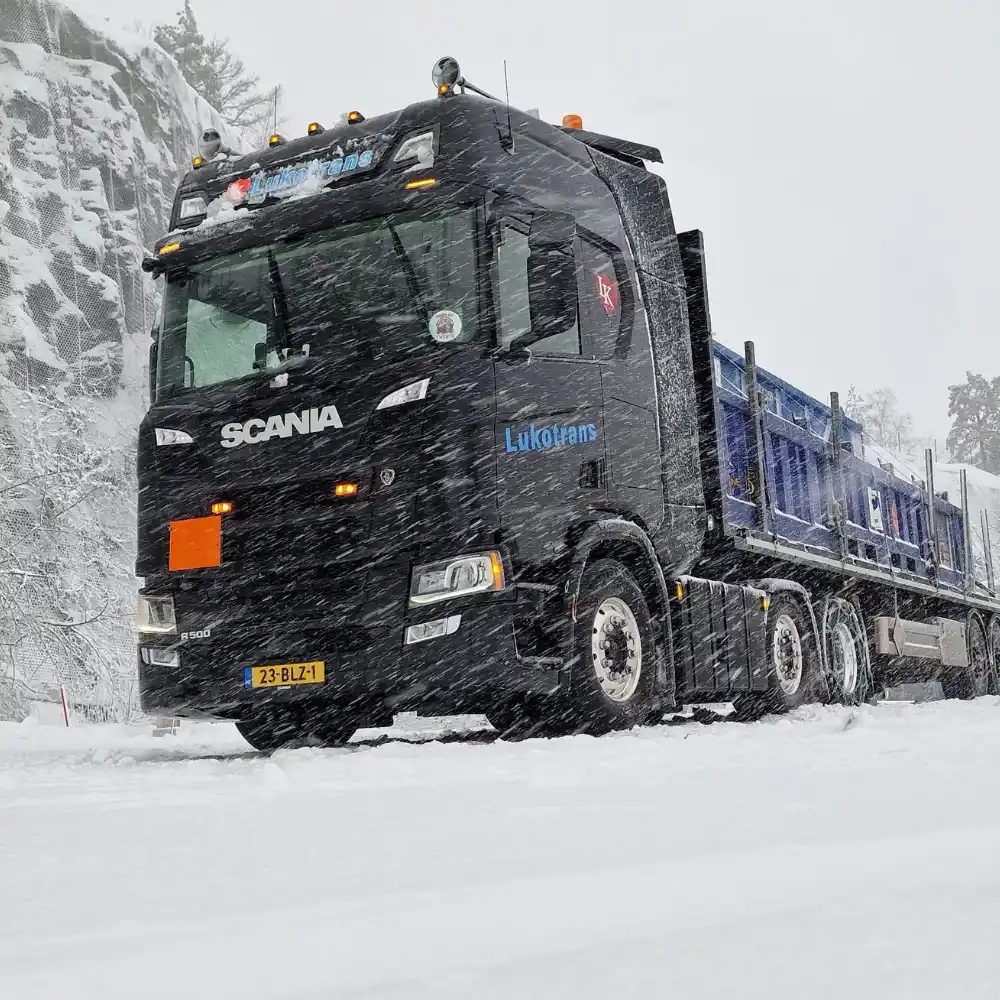
Which ADR classes apply to your hazardous goods shipping?
ADR divides dangerous goods into classes based on the type of risk they present. The correct classification determines the packaging, labels, documentation, vehicle requirements and driver qualifications that apply to your shipment. The following classes are particularly relevant to hazardous goods shipping by road.
Class 1 – Explosives
Class 1 covers explosive substances and articles. These shipments may require specific permits, approved vehicle configurations and drivers with the correct ADR qualification. Lukotrans has experience with the controlled transport of explosives and checks the applicable requirements before accepting a shipment.
Class 2 – Gases
Class 2 includes compressed, liquefied and dissolved gases. Depending on the product, these may be flammable, non-flammable or toxic. The correct containment, valve protection, labelling and transport conditions must be confirmed before loading.
Class 3 – Flammable liquids
Class 3 includes fuels, solvents, oils and other liquids with a flammable risk. Packaging, load securing and temperature or containment requirements depend on the product and quantity being transported.
Class 6 – Toxic and infectious substances
Class 6 covers substances that may cause harm through contact, inhalation or ingestion. These shipments require careful classification, suitable packaging and clear emergency information.
Class 7 – Radioactive material
Class 7 applies to radioactive materials. Transport may require specially adapted equipment, additional documentation and drivers with the required qualifications. Lukotrans has experience with regulated radioactive material transport and verifies the relevant requirements for each shipment.
Class 8 – Corrosive substances
Class 8 includes substances that can damage skin, metals or other materials through direct contact. Packaging integrity, compatibility and secure loading are particularly important for these goods.
Not sure which class applies to your hazardous goods shipping? Send the product details and Safety Data Sheet to our team. We can review the available information before confirming whether transport is possible.
What you need to prepare before hazardous goods shipping
As the shipper, you are responsible for providing accurate information about the goods before transport begins. Lukotrans checks the details required for hazardous goods shipping, but the classification and product information must be available before the correct transport solution can be planned.
The following information is normally required:
Product classification
Provide the correct UN number, proper shipping name, ADR class and, where applicable, packing group. This information can usually be found in section 14 of the Safety Data Sheet.
Safety Data Sheet
An up-to-date Safety Data Sheet helps our team assess the product, the applicable transport conditions and any additional precautions that may be required.
Packaging
The goods must be packed in approved and suitable packaging for the relevant class, quantity and packing group. Packaging must be closed correctly, undamaged and suitable for road transport.
Labelling and marking
Packages must carry the required hazard labels, UN markings and any additional handling information. Lukotrans checks the shipment information and arranges the vehicle placarding that applies to the transport.
Transport documentation
The transport document must include the required ADR description, including the UN number, proper shipping name, class, packing group where applicable, quantity and sender and consignee details. Additional documents may be needed depending on the product, route and destination.
Permits and additional requirements
Some goods, including certain explosives and radioactive materials, may require permits or additional approvals. These requirements must be identified before the collection date is confirmed.
When the classification, packaging and documentation are complete, the shipment can be assessed and planned correctly. Looking for a partner to move the cargo? Read how Lukotrans handles the transportation of dangerous goods across Europe.
How to choose a hazardous goods shipping partner
The right transport partner must understand more than the route from collection to delivery. Hazardous goods shipping requires experience with the relevant ADR class, access to suitable vehicles and drivers, and a process for checking documents before departure.
Before selecting a partner, check whether they can:
- assess the shipment information before confirming transport;
- provide a driver with the required ADR qualification;
- arrange a suitable vehicle for the product and load type;
- check route restrictions, tunnel codes and local requirements;
- support the required permits and transport documentation;
- provide direct communication and shipment updates;
- handle delivery requirements at terminals, industrial sites and controlled locations.
Lukotrans reviews these points during the planning stage. Where information is incomplete or a specific approval is required, our team identifies this before the vehicle is dispatched.
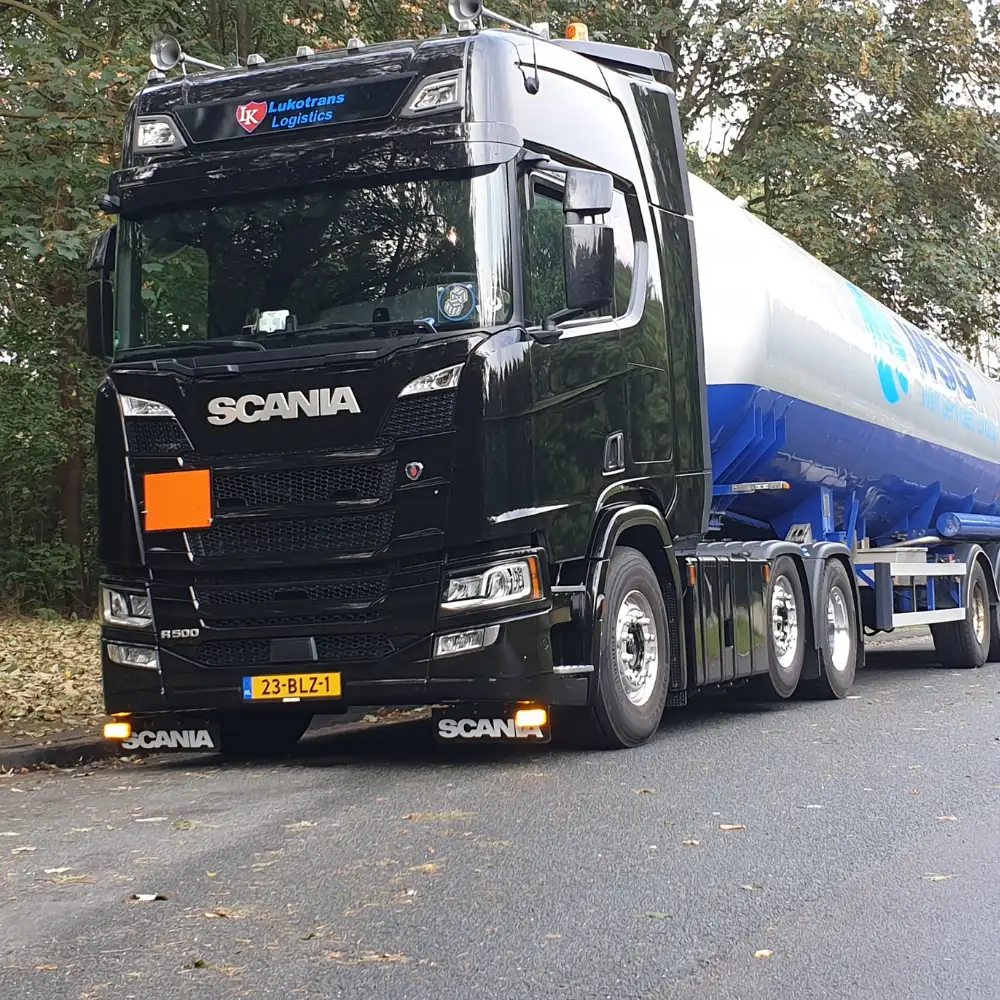
Compliance with hazardous goods shipping regulations
Compliance starts before collection. For hazardous goods shipping, the product classification, packaging, labels, documents, vehicle and driver must all match the applicable ADR requirements.
Lukotrans supports compliance through the following checks:
ADR-qualified drivers
The assigned driver must hold the qualification required for the goods being transported. Additional qualifications may apply to specific classes or vehicle types.
Packaging and labelling checks
Before departure, the visible condition of the packaging and the available labels and markings are checked against the shipment information. The shipper remains responsible for supplying correctly classified and packaged goods.
Documentation checks
Transport documents are checked for the correct UN number, proper shipping name, class, packing group where applicable, quantity and other required information. Safety Data Sheets and permits are reviewed when relevant.
Vehicle and placarding requirements
The selected vehicle must be suitable for the cargo. The required orange plates, hazard placards, equipment and instructions are arranged according to the shipment.
Route restrictions
The route may be affected by tunnel codes, local restrictions, ferry requirements or rules that differ between countries. These factors are considered during transport planning.
Hazardous goods we transport
Lukotrans provides hazardous goods shipping for a range of regulated cargo types, subject to the classification, route, quantity and vehicle requirements of each shipment.
Chemicals
We transport various chemical products for energy, manufacturing and industrial operations. Each request is assessed using the product information and Safety Data Sheet.
Explosives
Lukotrans handles Class 1 transport where the required permits, qualifications and operating conditions can be met.
Radioactive materials
We support the transport of Class 7 materials using the appropriate procedures, documentation and transport equipment for the shipment.
Gases and flammable liquids
Our team plans transport for gases, oils, fuels and other flammable liquids when the containment, vehicle and route requirements can be satisfied.
Corrosive and toxic substances
Class 6 and Class 8 goods can be transported where the product classification, packaging and handling requirements are clear and suitable.
Real-time tracking throughout your hazardous goods shipping
Knowing where your hazardous goods shipping is during transit helps you prepare for delivery and respond quickly when circumstances change. Lukotrans provides GPS-based shipment visibility and direct status updates during transport.
You receive information about the progress of the shipment, the expected delivery time and relevant developments on the route. If there is a delay, route adjustment or change to the delivery window, our operations team communicates this directly.
This visibility is especially useful for hazardous goods shipping to terminals, industrial sites and other controlled locations, where arrival times, access rules and safety procedures must be coordinated in advance.
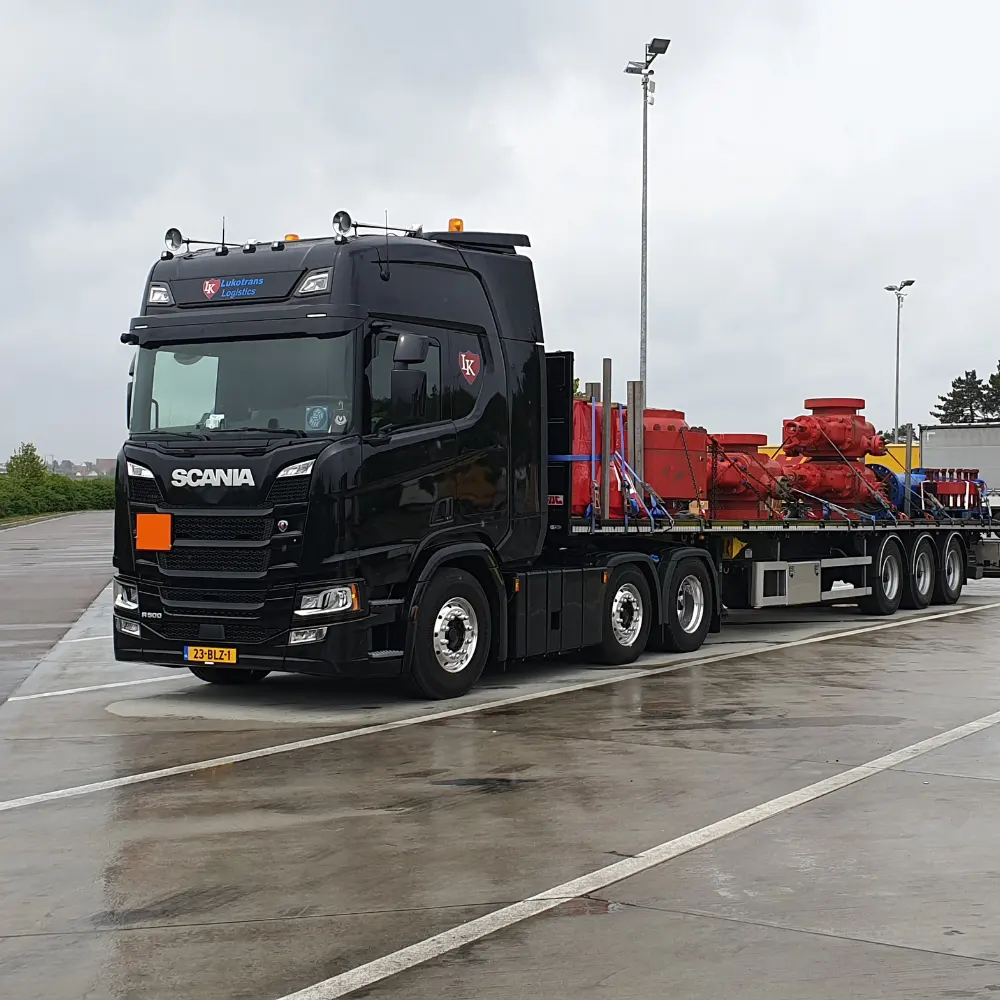
Looking for more detail on how the transport itself works?
This page explains what you need to know and prepare before arranging hazardous goods shipping. For a detailed explanation of how Lukotrans plans and executes the transport itself, visit our page about transportation of dangerous goods.
There you can read more about vehicle and driver selection, route planning, documentation checks, monitoring and controlled delivery.
Hazardous goods shipping: frequently asked questions
What types of hazardous goods shipping does Lukotrans do?
Lukotrans transports a range of dangerous goods by road across Europe, including chemicals, explosives, radioactive materials, gases, flammable liquids, toxic substances and corrosive products. Acceptance depends on the ADR class, quantity, packaging, route and equipment required.
How do I know which ADR class applies to my cargo?
What documentation is required for hazardous goods shipping?
The transport document must contain the correct ADR description, including the UN number, proper shipping name, class, packing group where applicable and quantity. Safety Data Sheets, permits, customs documents or other certificates may also be required.
Which regions do you serve for hazardous goods shipping?
Lukotrans arranges hazardous goods shipping by road across Europe. Feasibility depends on the origin, destination, route restrictions, cargo classification and required delivery conditions.
Can you handle urgent hazardous goods shipments?
Time-critical requests can be assessed by our operations team. Availability depends on the cargo information, required vehicle, driver qualifications, permits and route. Providing complete documentation immediately helps us determine the fastest compliant option.
