

Renewables Logistics for Sustainable Infrastructure Across Europe
Renewables logistics is a critical factor in the successful development of sustainable infrastructure projects. As renewable energy capacity expands across Europe, transport coordination becomes increasingly complex. Large components, strict timelines, cross-border regulations, and remote project locations require structured planning and operational precision.
From manufacturing facilities to ports and final installation sites, renewables logistics connects every phase of renewable infrastructure development. It supports execution, protects high-value components, and ensures that construction schedules remain on track.
- Direct transport from A to B, without detours
- Ideal for time-sensitive, fragile or high-value goods
- Handled by certified drivers using our own modern fleet
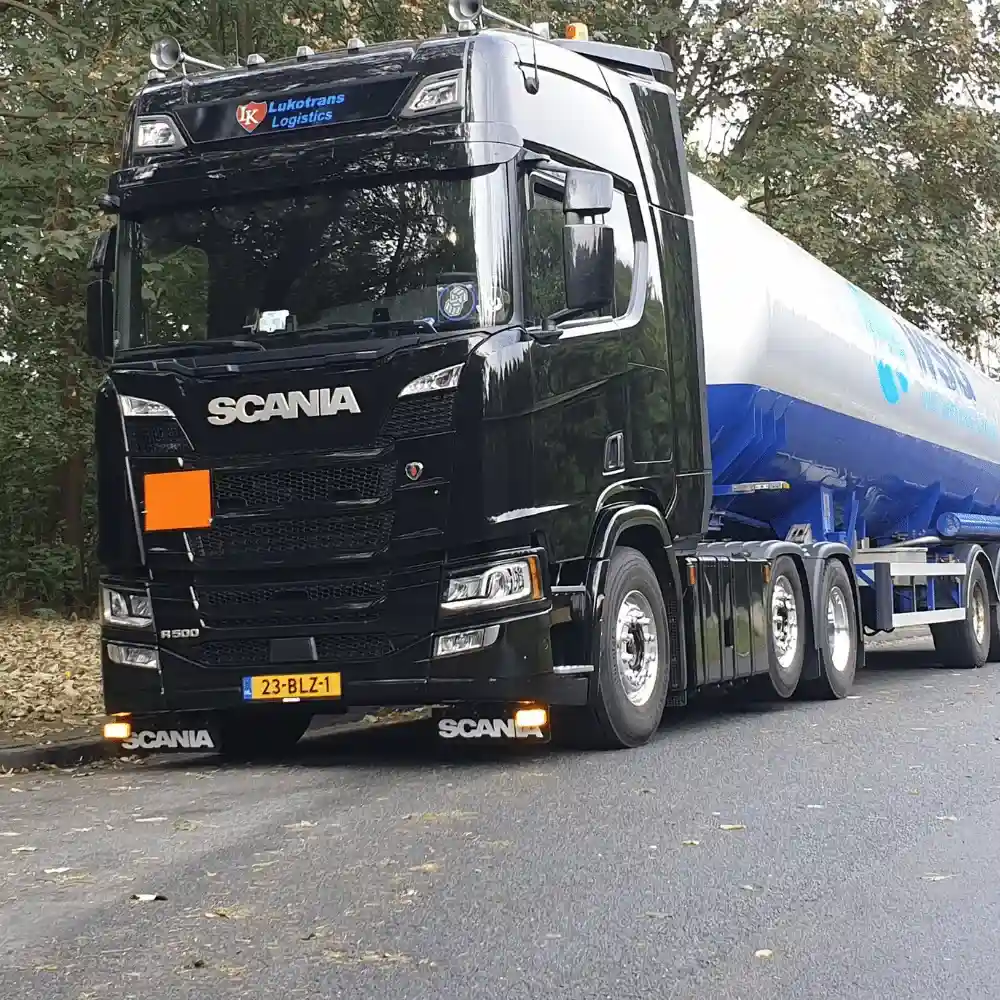
Renewables logistics in large-scale infrastructure projects
Renewables logistics plays a central role in large-scale renewable infrastructure projects where timing and sequencing are essential. Wind farms, solar parks, and battery storage facilities are built in carefully planned phases, and transport must align precisely with installation schedules. Even minor deviations in delivery timing can affect downstream activities and disrupt coordinated construction workflows.
Components such as turbine towers, blades, mounting systems, and storage units are often oversized or technically sensitive. Coordinating their movement requires route analysis, permit planning, and alignment with crane availability. Early delivery can create storage challenges, while late delivery can halt progress entirely. For this reason, sequencing within renewables logistics is closely connected to on-site execution planning.
In cross-border European projects, renewables logistics must account for varying transport regulations, escort requirements, and national safety standards. Planning therefore begins long before physical transport takes place. Route feasibility studies, infrastructure limitations, and administrative approvals are assessed in advance to avoid unexpected delays during transit.
In addition, construction sites often operate under strict time windows, especially when heavy lifting equipment is involved. Transport schedules must therefore integrate with lifting plans and site access coordination. Structured preparation reduces uncertainty during execution and increases overall project stability, ensuring that logistics supports rather than interrupts infrastructure development.
Operational coordination within renewables logistics
Renewables logistics requires operational coordination across multiple stakeholders, including manufacturers, transport planners, port operators, and site managers. Each movement must fit into a broader infrastructure timeline.
Transport capacity is often allocated based on defined construction windows. When delivery schedules are synchronized with site readiness, congestion is reduced and installation efficiency improves. This structured approach limits unnecessary waiting time for cranes and technical teams.
Within renewables, energy en maritime environments, logistics frequently connects inland construction sites with port-based operations. Equipment may arrive by sea before continuing by road to its final destination. Coordinating these transitions demands careful planning and clear communication.
For complex developments, elements of project logistics may be integrated to manage phased deliveries and multimodal transport flows. When cargo volumes are high or equipment is sensitive, full truckload shipping can be applied to reduce handling and ensure direct routing between origin and site.
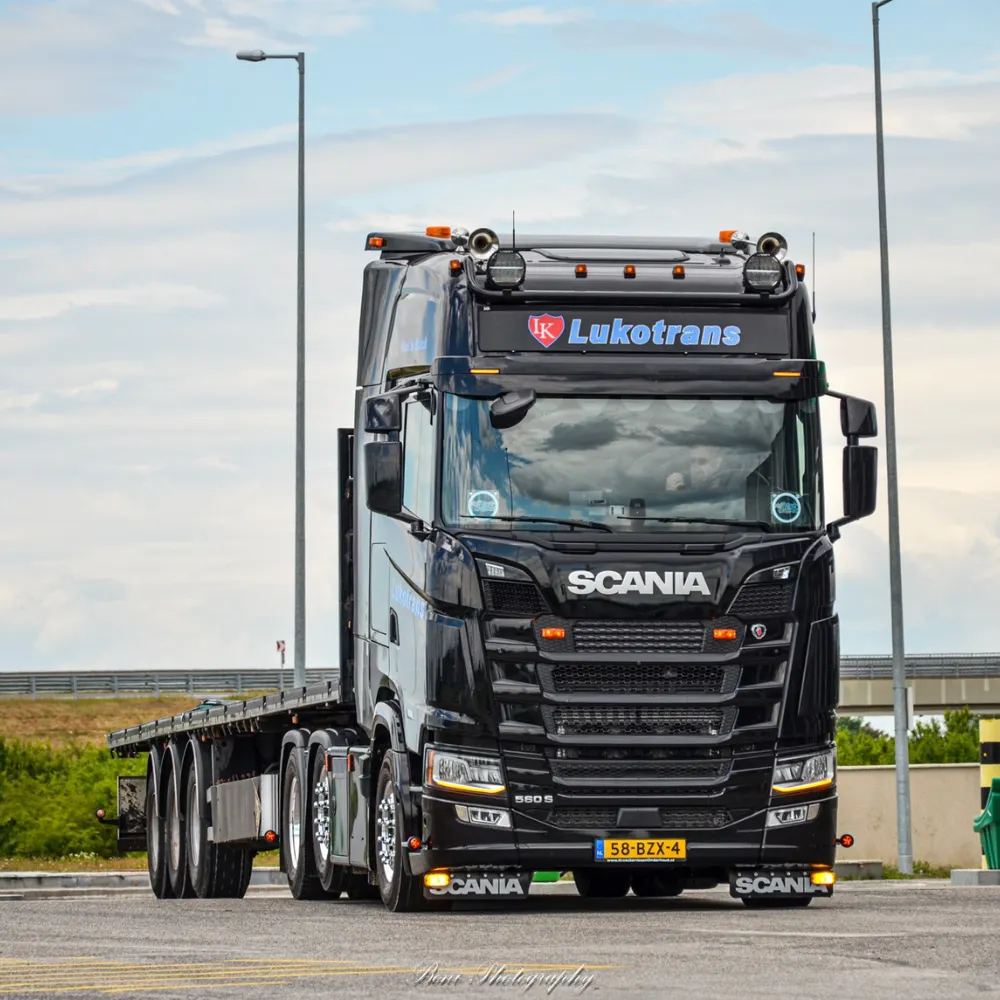
Risk management and compliance in renewables logistics
Renewables logistics must operate within strict regulatory frameworks to maintain safety and reliability. European driving time rules, load securing standards, and national permit requirements all influence transport planning.
Oversized cargo movements require route surveys and pre-approved corridors. Failure to secure permits in advance can cause costly delays. Thorough preparation supports predictable execution and minimizes disruption.
Weather conditions also influence transport feasibility. Strong winds may postpone crane operations, while heavy rainfall can affect site accessibility. Flexible scheduling frameworks allow adjustments without compromising the broader construction timeline.
Security remains another key factor. High-value renewable components require controlled routing and structured stop planning. Reducing unnecessary handling moments protects cargo integrity and lowers exposure to theft or damage.
Oversized cargo movements require route surveys and pre-approved corridors. Thorough preparation supports predictable execution and minimizes disruption.
In practice, structured infrastructure transport typically includes:
- Advance route surveys and permit coordination
- Oversized and heavy cargo planning
- Cross-border regulatory compliance
- Sequenced delivery aligned with construction phases
These elements form the operational foundation for reliable renewable infrastructure development.
European road transport in renewables logistics
European road transport is a fundamental component of renewables logistics across large-scale infrastructure projects. Industrial production hubs, storage yards, ports, and construction sites are connected primarily through extensive road networks. Efficient route planning enables direct connections and predictable transit times, which are essential within renewables logistics planning.
Cross-border coordination requires knowledge of local regulations and infrastructure limitations. Axle load restrictions, bridge clearances, and temporary road adjustments must all be considered in advance. Within renewables logistics, these regulatory and physical constraints are integrated into transport preparation to prevent operational disruption.
When renewable infrastructure expands across multiple regions simultaneously, consistent transport planning supports operational continuity. Familiarity with routes, documentation procedures, and site requirements increases efficiency over time and strengthens execution reliability within renewables logistics frameworks.
As turbine sizes increase and storage systems become more advanced, transport strategies must adapt. Larger components require reinforced equipment, extended trailers, and carefully mapped routes. Structured coordination ensures that technical innovation is matched by logistical capability across European infrastructure corridors.
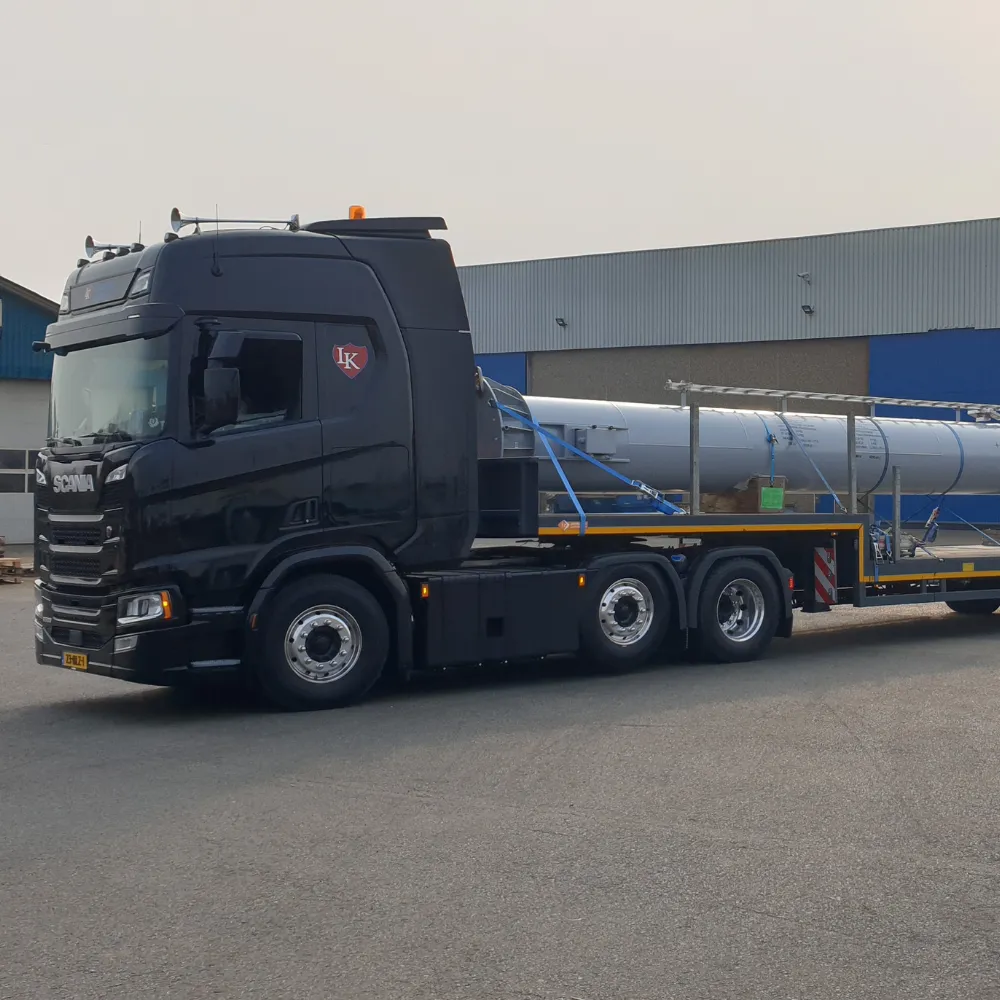
Long-term development and scalable capacity
Renewable energy expansion is a long-term transformation of Europe’s energy landscape. Infrastructure is not installed once but extended, upgraded, and replicated across regions. Transport planning therefore becomes part of a recurring operational cycle.
Scalable capacity allocation supports peak construction phases while maintaining stable flows during quieter periods. Predictable transport frameworks contribute to smoother execution across multi-year programs.
Accurate arrival forecasts allow installation teams to prepare equipment, allocate technicians, and coordinate site access. Clear timing reduces idle capacity and strengthens productivity.
Over time, standardized procedures improve efficiency. Route familiarity, permit knowledge, and structured coordination reduce errors and increase reliability. Renewables logistics continues to evolve alongside infrastructure growth, ensuring that physical delivery supports long-term sustainability goals.
This structured approach ensures that transport capacity evolves in parallel with technological innovation and increasing project scale.
Renewables logistics: frequently asked questions
What is renewables logistics?
Renewables logistics refers to the structured planning and transport coordination of components used in renewable energy infrastructure such as wind, solar, and battery storage projects.
Why is transport planning critical in renewable projects?
Because installation phases are tightly scheduled, delays in transport can directly affect crane operations, workforce planning, and commissioning timelines.
Does renewable infrastructure transport involve cross-border regulations?
Yes. Many projects require movement across multiple European countries, each with specific transport permits, safety standards, and compliance rules.
How does coordinated transport reduce project risk?
Structured planning reduces handling, improves schedule predictability, and ensures compliance with regulatory requirements, lowering the risk of delay or damage.
What role does road transport play in renewables logistics?
Road transport connects production facilities, ports, storage areas, and final construction sites, forming the primary link within European infrastructure projects.
How does renewables logistics support long-term infrastructure programs?
Renewables logistics supports long-term infrastructure programs by providing predictable transport capacity, structured planning, and scalable coordination. As renewable projects expand across multiple phases and regions, consistent transport frameworks help maintain continuity and reduce operational risk.
