

Full truckload shipping for reliable and dedicated transport
Full truckload shipping plays a central role in time-critical and high-value logistics flows. When cargo occupies the entire trailer, full truckload transport ensures that goods move directly from loading point to final destination without intermediate handling. Within dedicated transport (FTL), this model provides maximum control, reduced risk, and predictable transit times across Europe and beyond.
In sectors where downtime is not an option, full truckload shipping offers clarity. One shipment. One truck. One route. Without transshipment points, the risk of damage is lower and there is no need to depend on consolidation schedules. For companies in energy, maritime and renewables, this level of control is often necessary to keep operations running smoothly.
- Direct transport from A to B, without detours
- Ideal for time-sensitive, fragile or high-value goods
- Handled by certified drivers using our own modern fleet
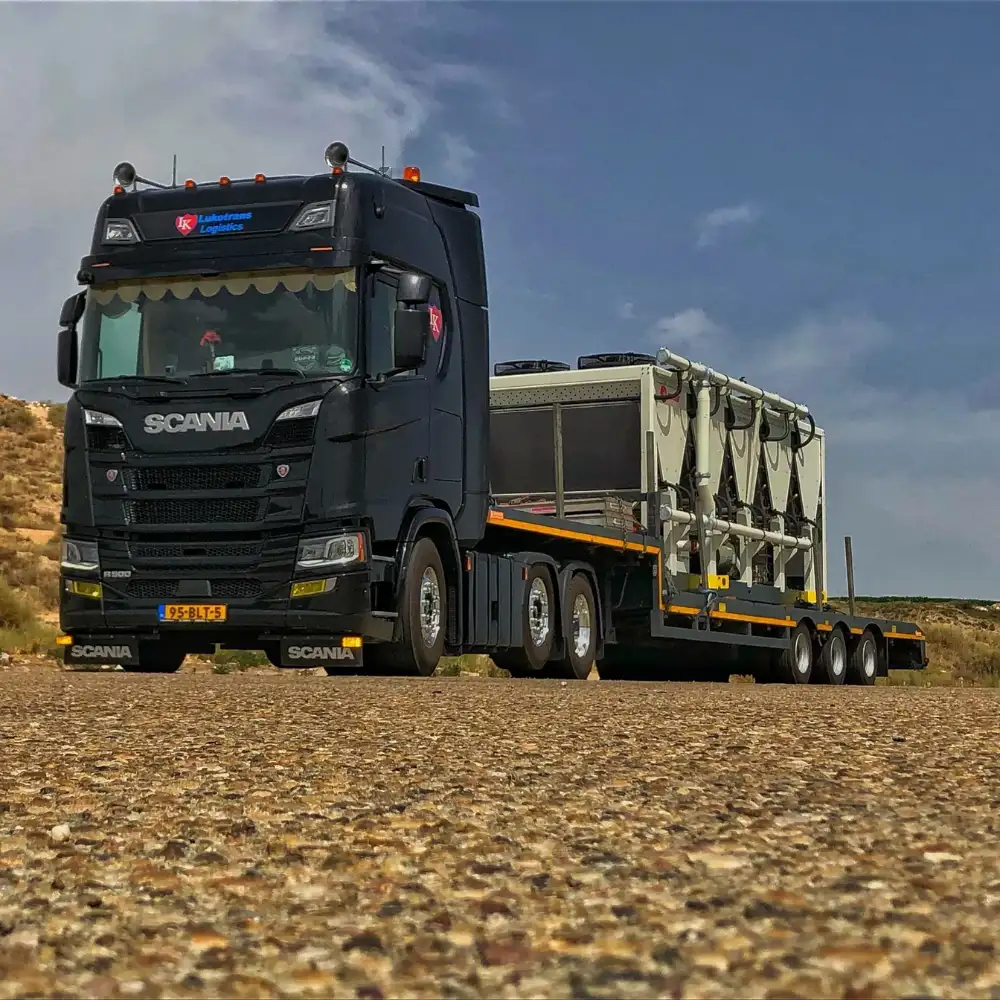
What full truckload shipping means in practice
Full truckload shipping refers to the use of an entire truck for a single shipment. The cargo remains on the same vehicle from departure to delivery. Unlike groupage or part loads, ftl shipping avoids distribution hubs and intermediate storage facilities.
This direct approach reduces delivery time and limits how often the cargo needs to be handled. Fewer touchpoints mean lower exposure to delays and damage. For technical components, oversized materials, or high-value equipment, full truckload shipping provides a controlled transport environment.
Because full truckload transport uses dedicated capacity, delivery times are more predictable. Loading and unloading can be planned exactly according to project needs. There is no need to wait for other shipments. This makes truckload shipping a good solution for projects with strict schedules.
Application in energy, maritime and renewables
Full truckload shipping is widely applied in energy projects where critical components must arrive exactly on schedule. Drilling equipment, technical installations, and maintenance materials often move under strict time constraints. Delays can slow down operations, which makes direct transport necessary.
In maritime operations, full load transport supports port logistics, offshore supply chains, and dredging projects. Transport between terminals, storage areas, and project sites requires good coordination. Dedicated vehicles make the process simpler and reduce the risk of port delays or scheduling problems.
Renewables projects depend on the timely delivery of infrastructure components. Wind turbine parts, battery systems, and related equipment are often transported under controlled conditions. Dedicated capacity transport helps ensure safe handling and delivery in line with construction schedules.
Because energy, maritime and renewables projects frequently operate in remote or high-security areas, full truckload shipping provides a simplified and secure logistics solution. Direct routing reduces outside disruptions and helps keep operations running smoothly.
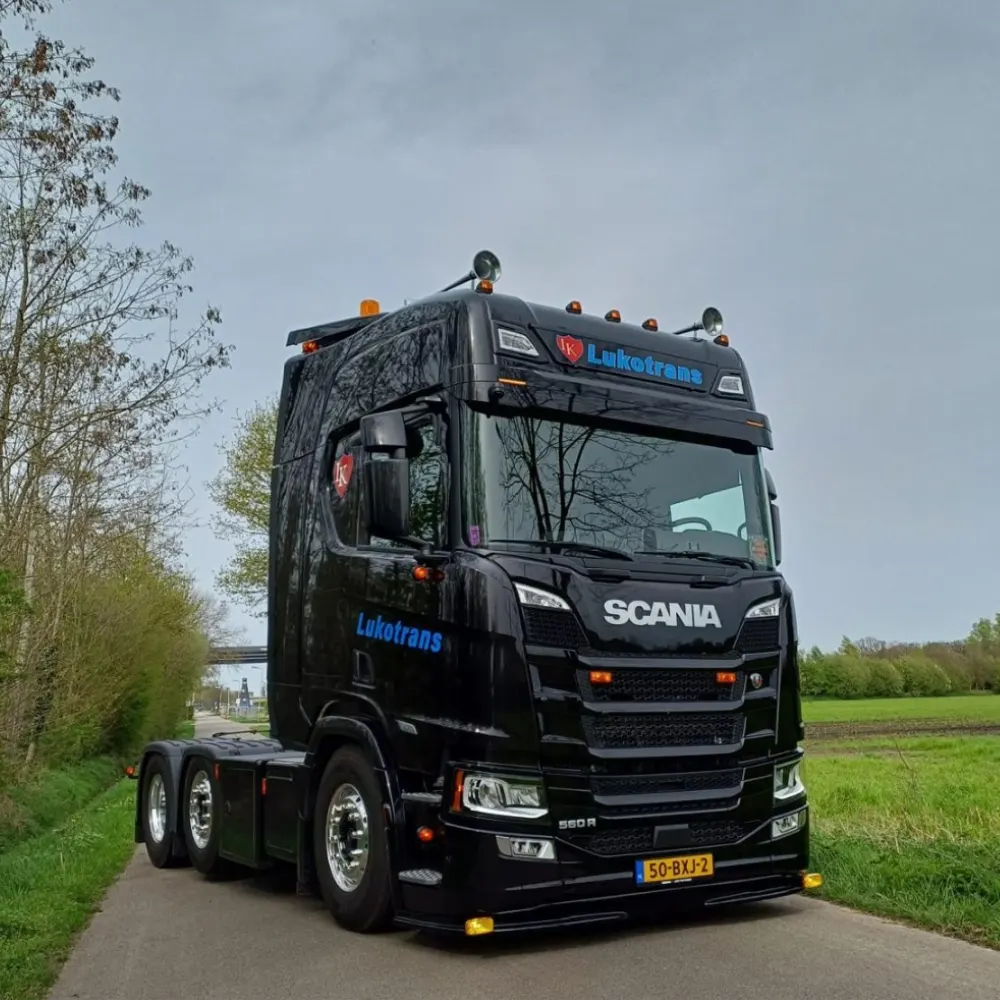
The strategic value of full truckload shipping
Dedicated transport (FTL) is often chosen when reliability outweighs cost sensitivity. Ftl transport supports this approach by offering exclusive use of equipment and driver allocation. The shipment is not combined with other cargo, which increases security and confidentiality.
This exclusivity also makes planning more stable. Because the truck is reserved for one load, departure times are based on operational needs instead of consolidation schedules. This reduces waiting time at loading locations and improves alignment with installation times or port schedules.
In cross-border European transport, full truckload shipping simplifies customs procedures and documentation. This is especially relevant when moving regulated goods or equipment that requires precise paperwork.
Full truckload transport also improves operational transparency. Real-time monitoring and direct routing allow accurate tracking and forecasting of arrival times. For project managers within energy, maritime and renewables, this visibility contributes to smoother site coordination and better resource planning. Clear arrival times help teams plan cranes, technicians, and installation crews without unnecessary waiting time.
Operational efficiency across Europe with full truckload shipping
Full truckload shipping by road remains one of the most efficient transport solutions within Europe. The European road network allows direct transport between industrial areas, ports, and project sites. Delivery times can be planned accurately, even when crossing several borders.
Following European regulations is an important part of full truckload shipping. This includes driving time rules, safety standards, and in some cases ADR requirements. Meeting these rules helps prevent delays and improves reliability.
From an efficiency point of view, ftl logistics reduces administrative work. One contract, one route, and one set of documents make coordination easier. For companies managing different project phases across Europe, this structure supports clearer and more efficient planning.
When transport is required outside Europe, full truckload shipping is often used as the first or last part of the logistics chain. Direct road transport connects production sites with ports or distribution centers without unnecessary detours.
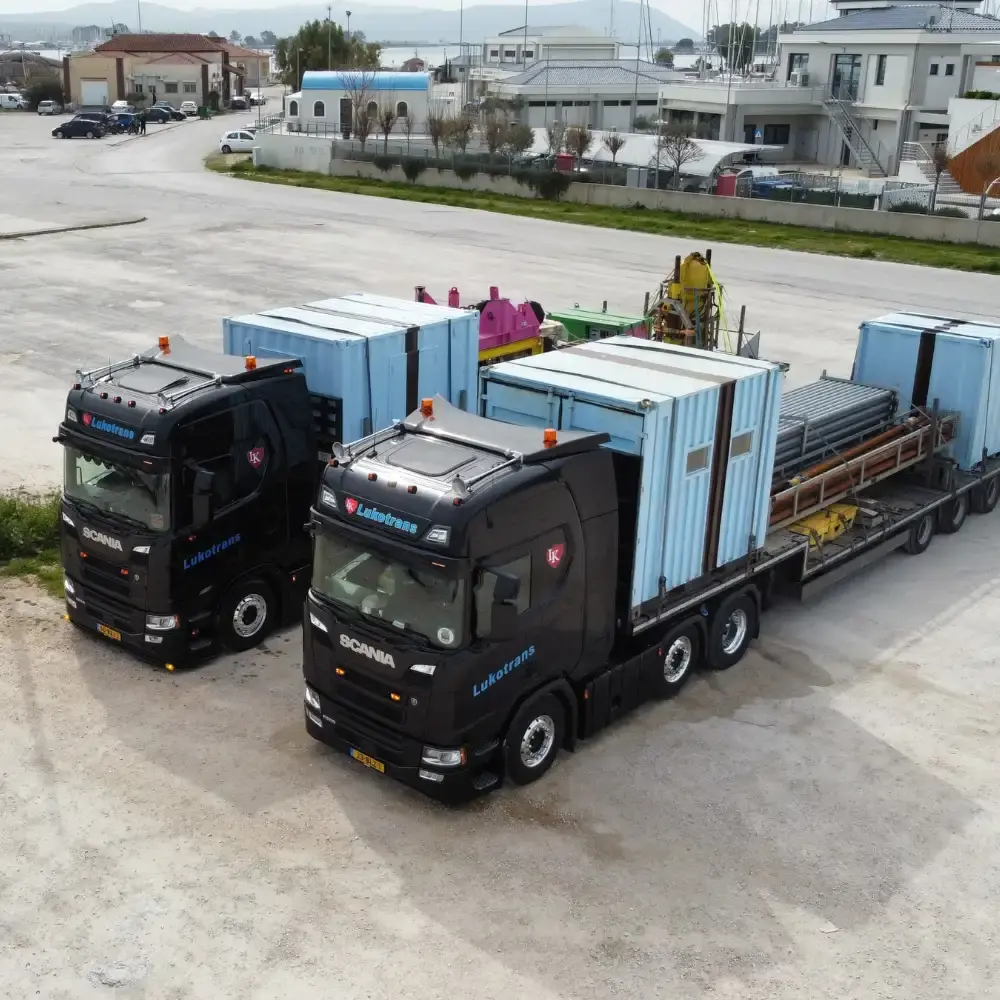
Risk reduction and cargo protection
Risk management is one of the strongest arguments for full truckload shipping. Each additional handling moment increases the potential for damage or misplacement. By eliminating consolidation hubs, it significantly lowers these risks.
Sensitive equipment often needs stable positioning and proper load securing. Dedicated trailers allow specific load setups, which reduce movement during transport. Correctly secured cargo meets safety standards and protects high-value goods.
Full truckload transport also reduces the risk of theft or unauthorized access. With no extra loading stops, the shipment stays sealed and under control from pickup to delivery. This controlled approach is especially important for specialized or regulated materials.
Full truckload shipping is usually not a one-time solution. For companies working continuously in energy, maritime and renewables, it is part of a long-term logistics strategy. Dedicated transport capacity makes it easier to scale during busy periods and maintain stable service throughout long project cycles.
Full truckload shipping: frequently asked questions
What is full truckload shipping?
Full truckload transport is a transport method in which one shipment occupies the entire truck. The cargo is transported directly from the pickup location to the delivery address without being combined with other freight.
When is full truckload shipping the right choice?
Full truckload shipping is suitable when cargo volumes are large, time-sensitive, high in value, or require minimal handling. It is often used in energy, maritime and renewables projects where reliability is critical.
How does ftl transport reduce risk?
Direct full load transport reduces risk by eliminating intermediate handling and consolidation points. Fewer touchpoints lower the chance of damage, delays, or misrouting.
Is full truckload shipping efficient for cross-border transport in Europe?
Yes. The transport enables direct cross-border transport with simplified documentation and predictable transit times, making it efficient within the European road network.
What is the difference between full truckload shipping and groupage?
Full truckload transport uses the entire truck for one shipment, while groupage combines multiple shipments in one vehicle. Ftl transport offers more control, faster transit, and reduced handling compared to shared transport solutions.
